How to Get Rid of Old Carpet: Disposal, Recycling, and Removal Options
October 13, 2026

August 19, 2026

Refreshing your home doesn't always require new furniture or a major renovation. Simple changes to furniture placement, storage, and room layout can make your space feel more open and functional. These practical home organization ideas can help you make better use of what you already have. Green Team Junk Removal helps homeowners throughout Massachusetts clear unwanted belongings that may be taking up valuable space during a reorganization project.
Choose one main feature—such as your TV, fireplace, or large window—and arrange the room around it. Avoid automatically pushing every piece of furniture against a wall.
For a TV-centered living room:
If an oversized entertainment center, unused chair, or old sofa is making the layout difficult, Furniture Removal can help clear larger pieces before you reorganize the room.
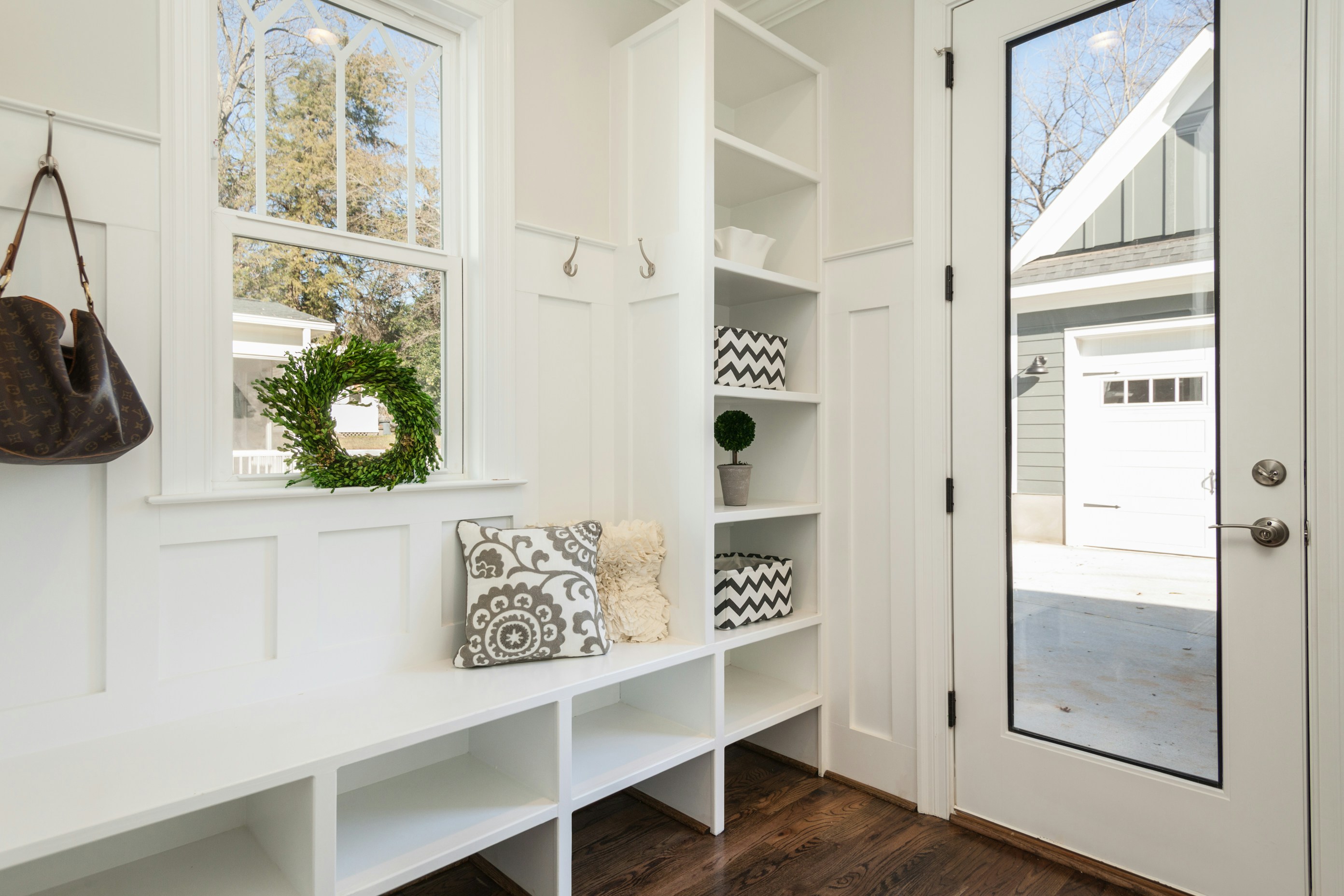
Instead of allowing shoes, bags, keys, and mail to spread throughout the house, create one designated area near your main entrance.
A simple setup might include a narrow console table for mail, a small tray for keys, wall hooks for bags and jackets, and a shoe rack or storage bench underneath.
Creating a dedicated entryway drop zone gives everyday belongings a consistent place to go as soon as you walk through the door.
Good kitchen organization isn't just about fitting everything into cabinets. Place items close to where they're actually used to make everyday tasks easier.
For example:
This approach creates practical "zones" and prevents you from constantly walking across the kitchen for everyday items.
One of the easiest home organization ideas is to use spaces that normally sit empty. Instead of adding another bulky cabinet, look for storage opportunities that don't consume valuable floor space.
Try using:
Making use of these overlooked storage spaces can increase storage capacity without making your rooms feel crowded.
If one room serves several purposes, divide it into clear functional areas rather than allowing everything to blend together.
For example, in a guest room that doubles as a home office, place the desk and office storage along one wall while keeping the bed and guest essentials together on the opposite side. A basement could have separate zones for exercise equipment, seasonal decorations, tools, and storage.
If accumulated belongings are preventing you from creating these zones, cleanout services can help clear unnecessary items and give you more usable space to work with.
Before buying organizers or moving furniture, decide what you actually want to keep. Otherwise, you may end up creating storage for belongings you no longer use.
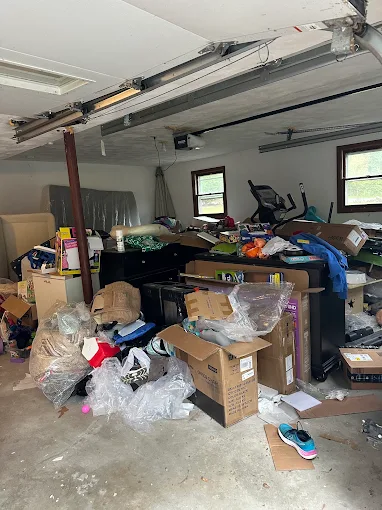
Start with obvious clutter such as duplicate household items, broken appliances, unused furniture, outdated décor, and boxes that haven't been opened in years. Donate or recycle usable belongings whenever possible, then responsibly remove anything that no longer serves a purpose.
With fewer unnecessary items competing for space, reorganizing becomes much easier.
A successful home reorganization often starts with creating room for the things you actually use and enjoy. If unwanted furniture, appliances, boxes, or other household clutter is limiting what you can do with your space, connect with Green Team Junk Removal to discuss your removal needs and arrange a convenient pickup. Clearing those unnecessary items can give you the space you need to put your new organization plan into action and enjoy a cleaner, more functional home in Massachusetts.
Start with the room that causes the most frustration. Declutter first, then decide how furniture and storage should be arranged.
Choose one focal point, avoid oversized furniture, use vertical storage, and maintain clear walking paths between major pieces.
Use floating shelves, under-bed containers, wall hooks, over-door organizers, and other overlooked spaces.
Usually not. Decluttering first prevents you from spending money and space organizing belongings you don't actually need.
Donate or recycle usable items when possible. For bulky furniture, appliances, and larger amounts of clutter, professional junk removal can simplify the process.
We service all of Massachusetts so if you don't see your town below just mention your zip code in our online form or call us to see if we can accommodate you.