How Much Does Junk Removal Cost? A Complete Pricing Guide
November 2, 2026

November 2, 2026

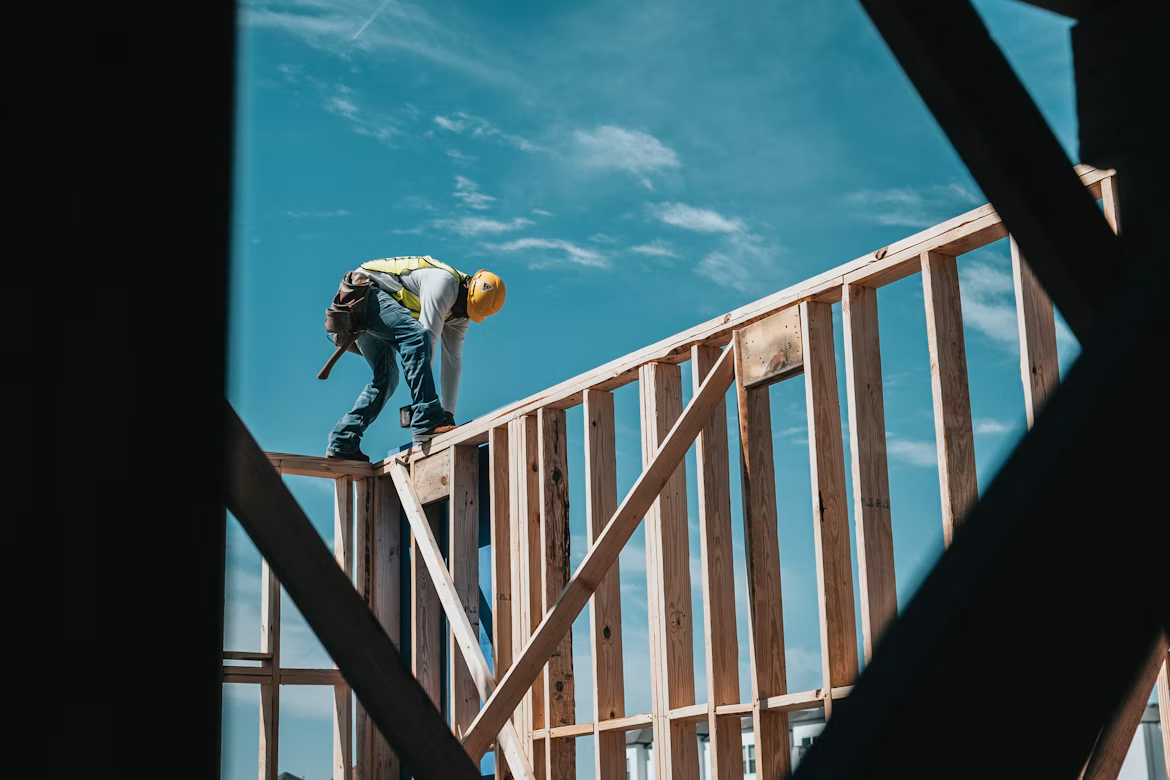
Construction and renovation projects often leave behind piles of wood, broken tiles, drywall and other unwanted materials. Whether you're managing a rental property, preparing a home for sale or overseeing building repairs, dealing with construction debris removal can take time and careful planning. Some materials are heavy, sharp or difficult to transport. Others require specific handling to meet Massachusetts waste disposal regulations.
Professional junk removal services help by collecting unwanted materials, sorting recyclable items and transporting the remaining waste to appropriate facilities. This guide explains how construction debris removal works, which materials can be collected and what property managers should know before arranging a pickup.
Construction debris refers to waste generated during construction, renovation, remodeling or demolition work.
It can come from small projects, such as replacing bathroom tiles, or larger jobs, such as renovating an entire rental property.
Common examples include:
Not every material can be handled in the same way. For example, concrete may be suitable for crushing into recycled aggregate, while metal can be sent to a metal recycling facility. Materials containing asbestos require specialist handling.
Knowing what is in the debris pile helps removal services plan a suitable collection and disposal method.
Professional construction debris removal usually involves assessing the materials, preparing the collection area, loading the waste and directing it to suitable facilities.
Here is how the process typically works.
The first step is understanding what needs to be removed.
A junk removal company may ask for information about:
Photos can also help the removal team assess the job before arrival. For property managers, providing these details early can reduce delays during tenant turnovers or renovation projects.
Before collecting anything, the removal team must determine whether the waste is suitable for standard collection.
Most junk removal services handle non-hazardous construction materials. However, certain items require specialist assessment or separate disposal arrangements.
These may include:
Older Massachusetts buildings may contain materials that need additional checks before renovation or demolition.
The Massachusetts Department of Environmental Protection (MassDEP) requires asbestos-related work to follow specific inspection, notification and handling rules. Suspected asbestos should not be disturbed or placed in an ordinary construction waste pile.
Contact the removal company before booking if you are unsure whether a material can be collected.
Once the materials have been assessed, the next step is preparing the site for collection.
The debris should be kept away from occupied areas, entrances and emergency exits.
For occupied rental buildings, property managers may need to coordinate collection times to avoid disrupting tenants.
Preparation may involve:
Good preparation allows the removal team to work more efficiently and reduces unnecessary handling.
During collection, workers load the approved materials into their removal vehicles. Heavy items such as concrete, bricks and lumber require careful handling because of their weight and sharp edges.
Professional removal crews use appropriate lifting methods and equipment to manage these materials. Unlike a dumpster service, where the customer generally fills a container, full-service junk removal includes workers who load the accepted debris.
This can be useful when a property has limited space for a dumpster or when the project produces a manageable amount of waste.
Green Team Junk Removal provides construction debris removal services for homeowners, contractors and property managers across Holliston and surrounding Massachusetts communities. The team handles accepted materials such as drywall, lumber, concrete, roofing waste and flooring. Once the materials have been loaded, the crew can clear remaining small debris included in the agreed scope of work.
After collection, construction debris may be sorted at the job site or transported to facilities that separate and process materials. Each material has different recycling and disposal requirements.
Common handling methods include:
Recycling options depend on several factors:
Not all construction debris can be recycled. Responsible waste management involves identifying the appropriate recycling or disposal method for each material rather than assuming everything can be processed together.
The final stage is transporting materials to facilities authorized to receive them. Depending on the waste, this may include recycling facilities, construction and demolition processing centers or permitted disposal sites.
In Massachusetts, waste haulers and generators have responsibilities under state disposal bans. Property managers should ask their removal provider how restricted and recyclable materials are handled. For projects with reporting requirements, it may also be helpful to request available disposal receipts or recycling records.
Massachusetts has specific requirements for managing construction and demolition waste.
Under MassDEP's waste disposal bans, certain materials cannot be sent for ordinary disposal.
These include:
These restrictions encourage appropriate recycling and other permitted material recovery.
The amount of construction waste generated across Massachusetts makes suitable waste handling important.
MassDEP's January 2026 Construction and Demolition Materials Management Action Plan reported that:
These figures show why separating materials before disposal remains important.
According to the same report, Massachusetts aims to reduce annual construction and demolition waste disposal to no more than 725,000 US tons by 2030.
For property managers, separating clean wood, metal and concrete where practical can support better recovery outcomes.
Property managers and real estate professionals often work within tight schedules.
A rental renovation may need to be completed before the next tenant moves in. A property being prepared for sale may require cleanup before photographs, inspections or viewings.
Unremoved construction debris can interfere with these activities.
Broken tiles, timber offcuts and leftover fixtures can make a property difficult to access.
Removing these materials helps prepare the space for further cleaning, maintenance and inspections.
This is particularly useful after kitchen renovations, bathroom upgrades, flooring replacements or repairs following property damage.
Maintenance staff already manage repairs, routine inspections and tenant requests.
Requiring them to transport large amounts of construction waste can take time away from their usual responsibilities.
A professional removal service handles the collection and transport of accepted debris, allowing maintenance teams to concentrate on property-related work.
In addition to construction waste, many companies handle furniture, appliances and other unwanted items. For a broader explanation, read Green Team's guide on what a junk removal service includes, including collection, loading and disposal arrangements.
Property managers must consider how building waste is managed, particularly when projects involve regulated materials.
Working with a removal company that understands local disposal requirements can make this process more manageable.
It is still important to confirm that any required permits, hazardous material inspections and specialist removal work have been completed by the appropriate professionals.
Property turnovers can involve several contractors working within a limited timeframe.
For example, a rental property may need painting, flooring replacement, cleaning and final inspection before new tenants arrive.
Scheduling debris removal after renovation work can help prevent leftover materials from delaying the next stage.
Property managers can contact Green Team Junk Removal to discuss accepted materials, access requirements and collection arrangements.
The cost of construction debris removal depends on the requirements of the job.
Several factors may influence the estimate.
Large debris piles generally require more vehicle capacity and labor.
Heavy materials such as concrete and bricks may also affect how much can be safely loaded during one collection.
Different materials have different processing and disposal requirements.
A pile of clean lumber may require different handling from mixed roofing materials, insulation and flooring waste.
Debris located on an upper floor or in a difficult-to-access area may require additional handling.
Parking restrictions, narrow access points and long carrying distances can also affect the work involved.
The number of pickups and any scheduling requirements can influence the overall cost.
Some property owners consider handling renovation waste themselves to reduce the need for outside services. However, they must also account for lifting, transport, disposal arrangements and time away from other work.
Green Team explains these considerations in its guide to DIY renovations and professional junk removal in Holliston, MA. Green Team Junk Removal provides upfront, no-obligation estimates based on the volume, material type and pickup location. Before arranging collection, property managers should share photographs and explain any access restrictions to help the team assess the job.
A little preparation can help make construction waste removal more straightforward.
Use this checklist before scheduling collection:
If the property is occupied, inform residents about the work where necessary.
These steps can help reduce confusion and keep the project organized.
Managing construction debris is an important part of completing renovation and maintenance projects.
For property managers and real estate professionals, timely removal helps prepare properties for inspections, tenant move-ins and sales while supporting responsible waste handling.
Green Team Junk Removal is based in Holliston, Massachusetts, and serves MetroWest, Greater Boston, Central Massachusetts and surrounding communities.
Our team handles most non-hazardous renovation and demolition debris, including wood, drywall, concrete, metal and flooring materials.
Green Team also hosts Mass Save recycling and drop-off events across Massachusetts in partnership with local officials, National Grid, Eversource and Mass Save. These community events provide another way to dispose of eligible appliances, electronics, furniture and certain construction materials. If you need help clearing leftover building materials, contact Green Team Junk Removal to discuss your project and request an estimate.
Most professional junk removal companies accept non-hazardous materials such as lumber, drywall, concrete, bricks, flooring, tiles and roofing scraps. Green Team Junk Removal handles these materials, subject to the type, condition and collection requirements. Contact the team to confirm unusual items.
Not all construction waste is suitable for regular rubbish collection. Heavy materials may exceed collection limits, while Massachusetts disposal bans restrict how certain materials can be discarded. A professional removal service can help identify appropriate collection arrangements.
Yes, certain drywall and concrete materials can be recycled. Clean gypsum wallboard may be processed through suitable recovery facilities, while concrete can be crushed for use as recycled aggregate. However, contaminated or mixed materials may not qualify. Acceptance depends on the facility and condition of the waste.
Collection time depends on the amount of debris, material weight and property access. A small renovation pile may take less time to collect than debris from a larger remodelling project. Provide photographs and project details when requesting an estimate so the removal company can assess the work.
Routine collection of already removed, non-hazardous debris does not automatically require a separate construction permit. However, building work, demolition, hazardous material handling and placing containers on public property may involve permits or notifications. Requirements depend on the project and local municipality. Confirm them with the relevant Massachusetts authorities before work begins.
We service all of Massachusetts so if you don't see your town below just mention your zip code in our online form or call us to see if we can accommodate you.