Furniture Removal vs. Junk Removal: Which Service Do You Need?
November 22, 2026

November 22, 2026

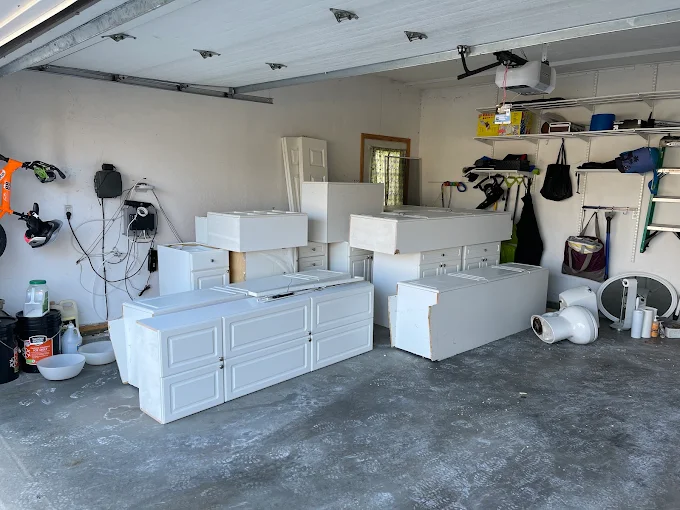
When clearing out a home, replacing old furnishings, or preparing for a move, you may wonder whether you need furniture removal or a general junk removal service. Although the two services overlap, they are not always the same. Understanding the difference helps you choose the right service, plan your cleanout, and avoid unnecessary trips to disposal facilities.
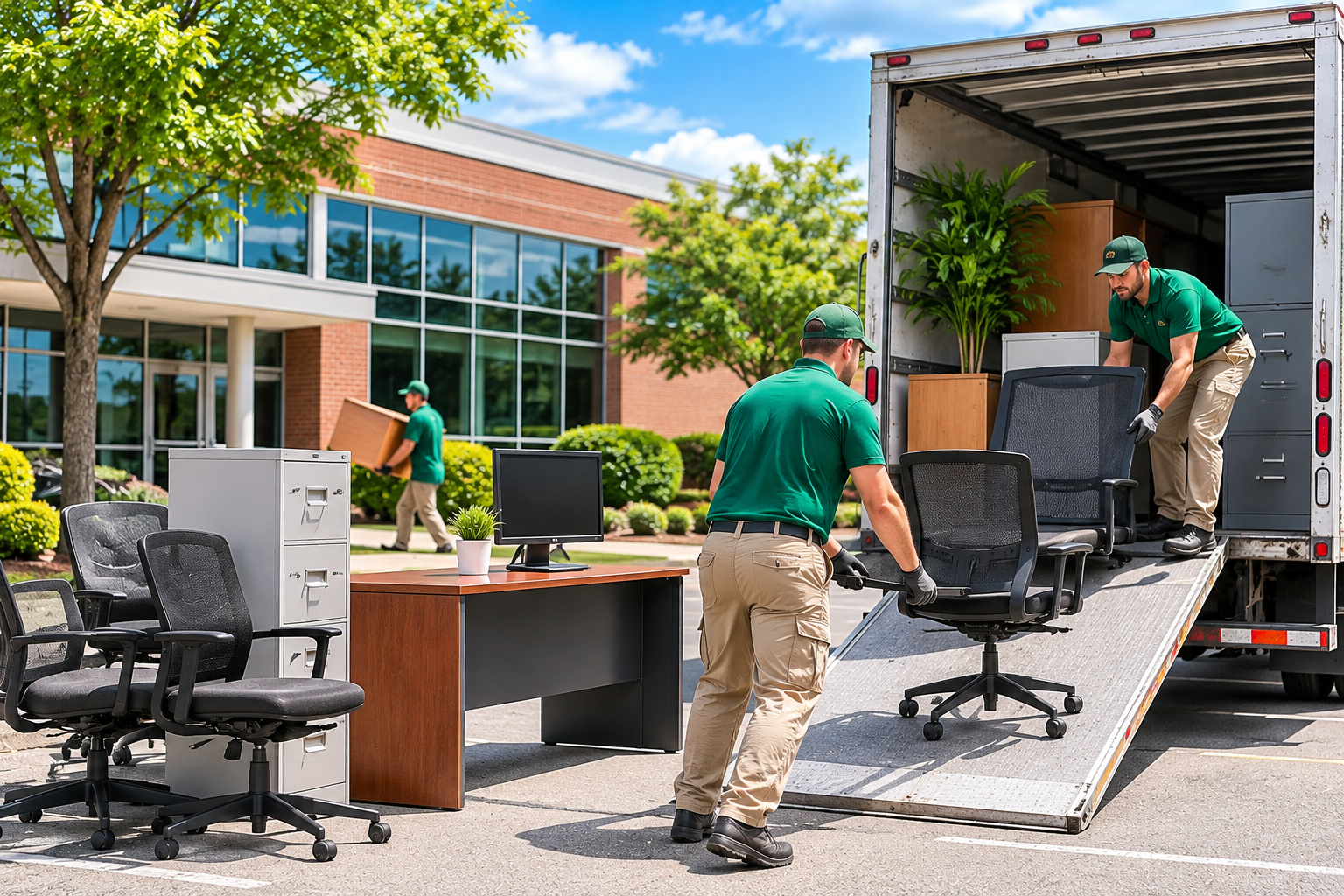
Furniture removal is a service focused on hauling away unwanted furniture from homes, offices, and other properties. It is useful when you are replacing old furnishings, moving to a new home, downsizing, or clearing out a room.
Furniture can be difficult to remove because many pieces are heavy, oversized, or awkward to carry through doorways and staircases. A removal team can handle the lifting and hauling so you do not have to manage every item yourself.
Depending on the provider, furniture removal may include:
Green Team Junk Removal's furniture removal service handles items such as sofas, tables, chairs, beds, mattresses, cabinets, and outdoor furniture. The service is suitable for both individual bulky items and larger cleanout projects.
This service is a good fit when most of what you need removed consists of furniture. For example, you might need to remove an old sectional and mattress before new furnishings arrive, or clear several desks and filing cabinets from a home office.
It can also be useful when you are preparing a property for sale or rent and need to remove furnishings left behind by previous occupants.
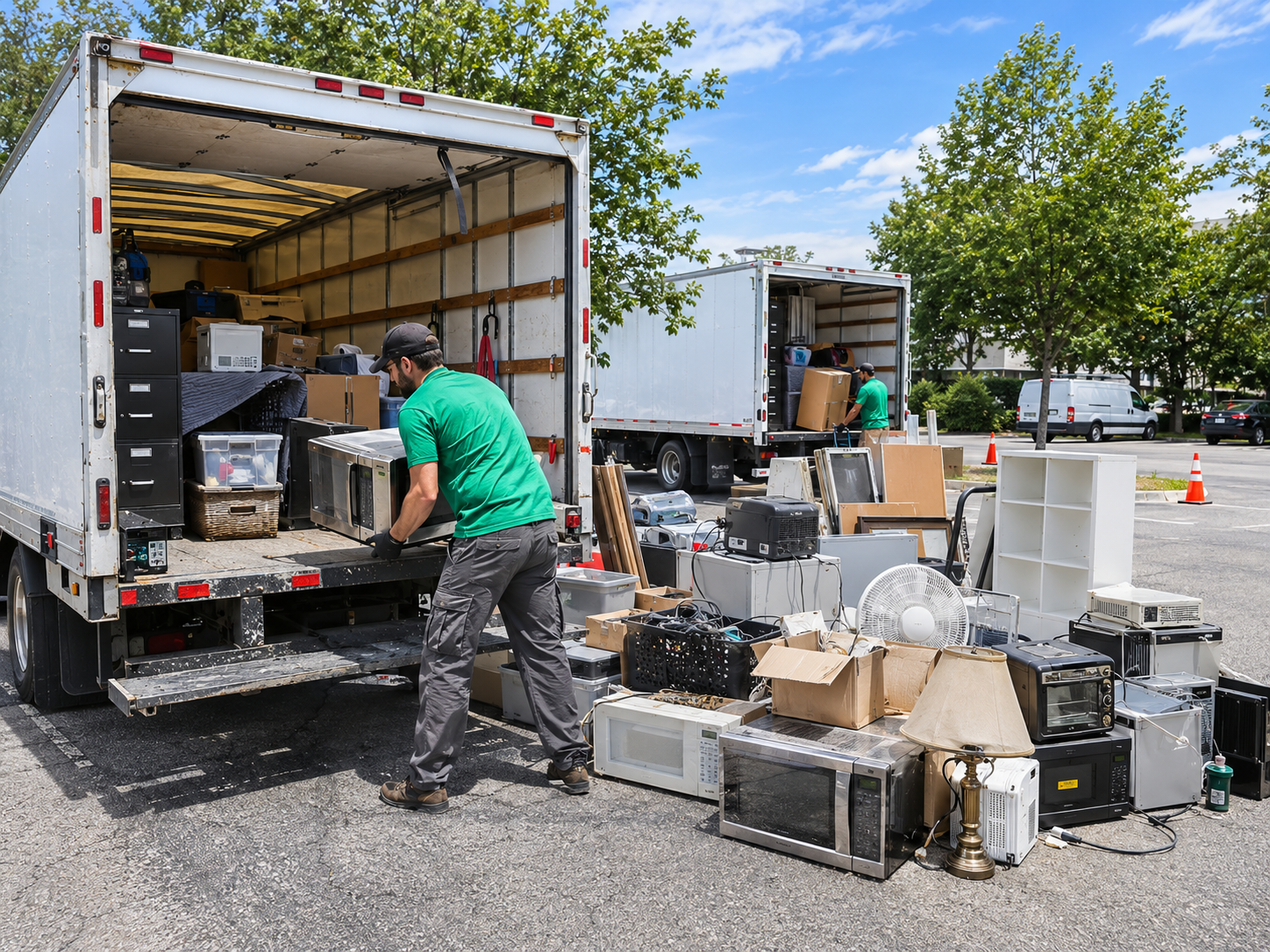
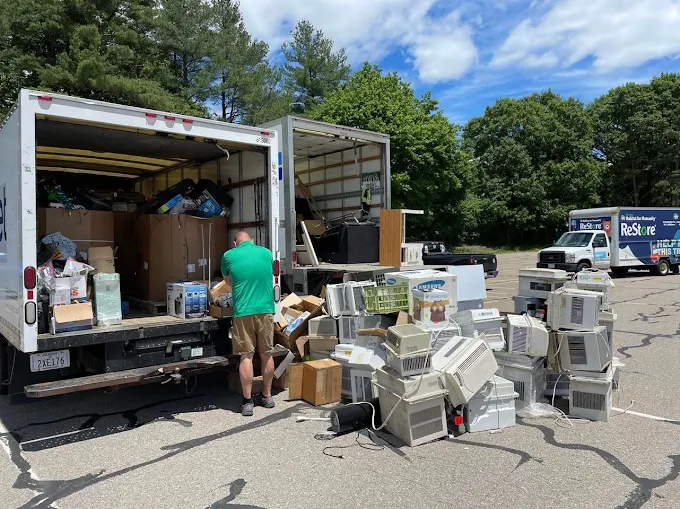
Junk removal is a broader service for clearing unwanted items from a property. Furniture can be part of the load, but the service may also cover appliances, household clutter, yard debris, and other non-hazardous materials.
Instead of arranging separate pickups for different types of belongings, you can often have several categories of unwanted items removed during one cleanout.
The exact list depends on the provider, but general junk removal may cover:
Green Team Junk Removal's general junk removal service handles a range of non-hazardous items, from bulky belongings to household clutter and yard debris.
Junk removal is usually the better fit when your project involves several different types of unwanted items. It is also useful for larger decluttering projects involving basements, attics, storage areas, or entire properties.
The main difference is the scope of the project. Furniture removal focuses on furnishings, while junk removal covers a wider range of unwanted belongings.
You may not need to book two separate services. If your project includes a mixture of furniture and household clutter, ask whether a general junk removal service can handle the full load.
Removing unwanted furniture does not always mean sending it straight to a landfill. If items are still in usable condition, donation or reuse may be possible. Other materials may be suitable for recycling, depending on their construction and local recycling options.
Furniture in good condition may help another household, nonprofit, or community organization. Before donating, inspect each piece for major damage, stains, missing parts, and other issues that could make it unsuitable for reuse.
Massachusetts residents can use the state's Donation and Reuse Directory to explore organizations that accept furniture and office equipment. Contact the organization first to confirm its current donation requirements.
Furniture can contain different materials, including wood, metal, plastic, fabric, and glass. Whether these materials can be recycled depends on the item and the facilities available to process them.
The Massachusetts Department of Environmental Protection provides a recycling and disposal resource to help residents find appropriate options for different materials.
Green Team Junk Removal aims to reuse, recycle, and donate items whenever possible. Its donation and reuse services help direct gently used belongings toward local charities and reuse opportunities when their condition allows.
Write down the furniture and other belongings you want removed. Include approximate quantities and identify especially large or heavy items, such as sectional sofas, wardrobes, appliances, and oversized tables.
Consider how the removal team will reach the items. Let the provider know if there are stairs, narrow hallways, elevators, long carrying distances, or limited parking.
Not everything should be placed in a regular junk removal load. Hazardous materials, chemicals, paint, and certain other restricted items may require specialized disposal options.
Before the appointment, confirm which items are included, how the estimate is determined, and whether any additional arrangements are needed. Clear communication helps avoid confusion on removal day.
You can handle some small cleanout tasks yourself, but large or heavy items may require additional help. The right choice depends on the item's weight, size, condition, and the layout of your property.
If the items are safe to lift and carry, you can:
Consider professional removal if you have heavy furniture, several bulky items, a large property cleanout, or belongings that are difficult to move through your home.
Avoid dragging heavy furniture across floors or attempting to carry oversized items down stairs without proper help. Secure loose drawers and doors before moving furniture, and keep walkways clear to reduce the risk of trips and falls.
For items containing glass, sharp edges, or unstable parts, do not attempt to dismantle them unless you can do so safely. If you are uncertain whether an item can be moved safely, let the removal provider know before the appointment.
Green Team Junk Removal offers both services, helping homeowners and businesses clear unwanted items while prioritizing donation and recycling whenever possible. Whether you are replacing old furniture, decluttering your home, or preparing a property for its next use, our team can help you manage the removal process.
You can check whether your town is covered through our service areas.
If you are ready to clear out unwanted furniture or other items, contact Green Team Junk Removal to discuss your project and request an estimate.
Not exactly. Furniture removal focuses on bulky furnishings such as sofas, beds, tables, and chairs. Junk removal covers a wider range of unwanted belongings, which may include furniture, appliances, household clutter, and yard debris. Many providers offer both services.
Yes. Many junk removal companies accept furniture as part of their services. Green Team Junk Removal handles items such as couches, mattresses, desks, dressers, tables, and chairs through its furniture and general junk removal services.
No. Furniture removal services can often take both usable and damaged furnishings, depending on their accepted materials and condition. However, items in good condition may be suitable for donation or reuse, while damaged pieces may need another disposal or recycling option.
Often, yes. General junk removal services may accept both furniture and appliances in one pickup. However, some appliances or materials may have special handling requirements, so confirm the accepted items with your removal provider before scheduling.
Consider the types and quantities of items you need removed. If you mainly have unwanted furniture, furniture removal may be sufficient. If you are clearing several areas and have mixed belongings, a general junk removal service may be more practical.
We service all of Massachusetts so if you don't see your town below just mention your zip code in our online form or call us to see if we can accommodate you.