Junk Removal and Donation: How to Plan a Responsible Cleanout
November 19, 2026

November 19, 2026

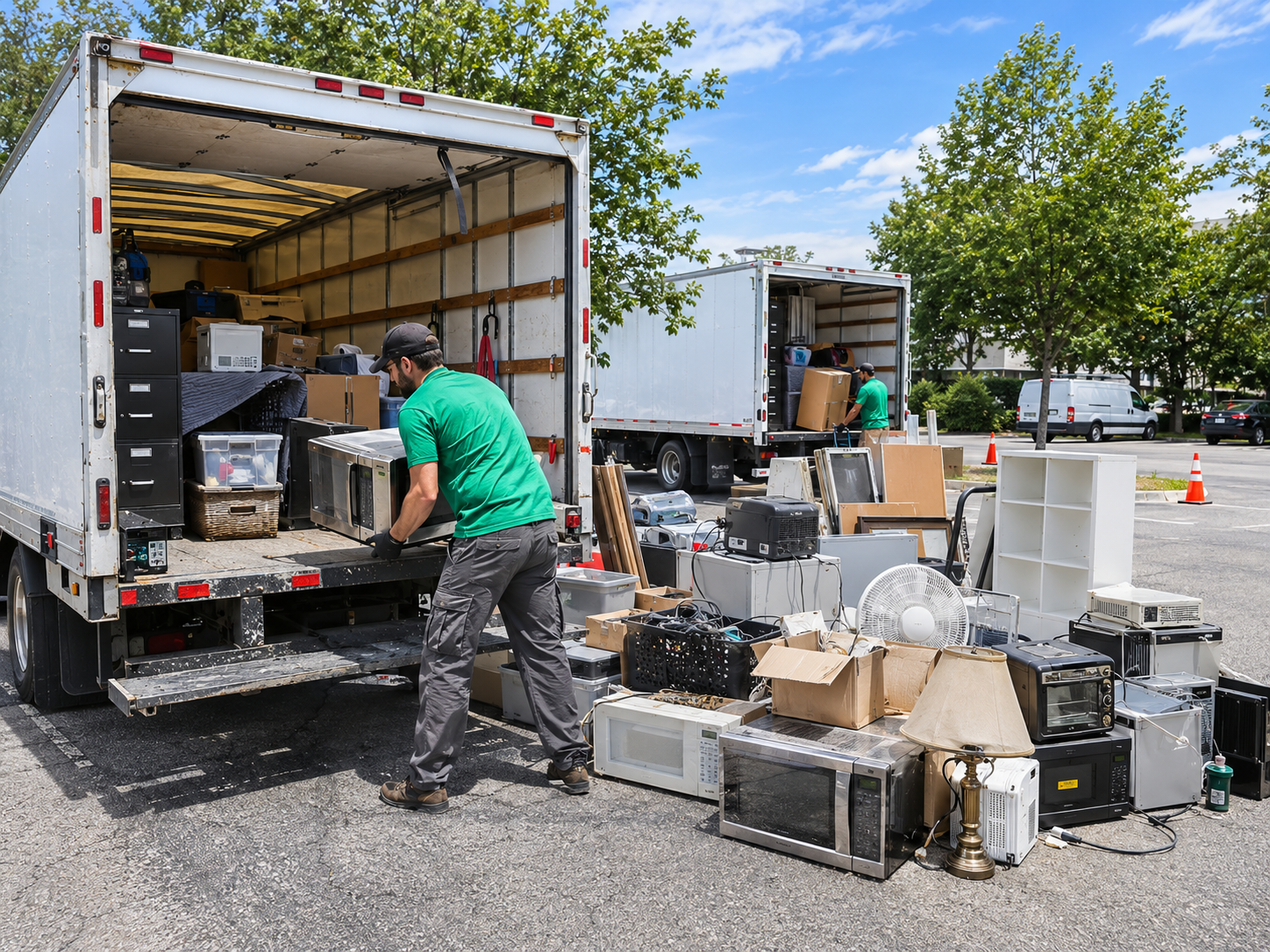
Instead of sending everything to the landfill, you can make your cleanout more responsible by combining junk removal and donation. Items that are still useful may benefit someone else, while recyclable materials can be directed to the proper facilities. The key is knowing what can be donated, what should be recycled, and what needs proper disposal.
A successful cleanout starts with sorting. Before scheduling a pickup or moving belongings out of your property, take time to identify which items may have another use and which ones need a different disposal method.
A simple sorting system can make the process easier:
Not everything removed during a cleanout is junk. Many household and office belongings can still be useful to another person, especially when they are in good condition.However, donation organizations have different acceptance rules.
Common Items That May Be Suitable for Donation
Furniture
Clothing and Textiles
Household Goods
Appliances and Electronics
Acceptance depends on the receiving organization, the item's condition, and any safety or handling requirements.
Green Team Junk Removal's Donation and Reuse Services include pickup of gently used furniture, clothing, household goods, working appliances, and electronics. The team sorts reusable items and coordinates their delivery to donation centers or other local organizations when possible.
Donation, reuse, and recycling all help reduce waste, but they serve different purposes. Understanding the difference can help you decide where each item should go.
Whenever possible, consider donation or reuse before recycling or disposal. However, recycling is still important when an item is no longer suitable for use.
For Massachusetts residents, the Massachusetts Department of Environmental Protection's donation and reuse resources provide information about donation organizations, drop-off locations, and programs for different household items.
Massachusetts has a textile disposal ban, which took effect on November 1, 2022. Most textiles cannot be thrown away with regular trash, even if they are worn or damaged. Instead, they should be directed toward appropriate reuse, donation, or recycling options, provided they meet the applicable requirements.
Other items may also require special handling:
Preparing belongings properly can make the donation process smoother and help receiving organizations determine whether they can accept them.
Wipe down furniture, clean household goods, and check clothing for stains or damage. Make sure items are dry and free from pests, mold, or other conditions that could make them unsuitable for donation.
Test appliances and electronics when it is safe to do so. Include necessary parts and accessories when available, and separate items that no longer function.
Place clothing, books, kitchenware, and smaller household belongings in separate boxes. Labeling them can make sorting and handling easier.
Contact the intended charity, thrift store, or donation center to ask about accepted items, condition requirements, pickup availability, and drop-off procedures.
Keep electronics, appliances, hazardous materials, and other items with specific disposal requirements separate from ordinary household belongings.
A small cleanout may be manageable on your own, especially if you're only donating a few boxes of clothing or household items. Larger projects, however, can take considerable time and physical effort.
Professional junk removal can be useful when you're dealing with:
Green Team Junk Removal offers residential cleanout services for projects ranging from individual rooms to entire properties. For businesses preparing to relocate or clear unused office space, its office cleanout services include the removal of office furniture, electronics, and other workplace items.
At Green Team Junk Removal, we're committed to making junk removal more environmentally conscious for homeowners and businesses throughout Massachusetts.
Whether you're clearing a single room, downsizing, or preparing an entire property for its next use, our team can help with the removal and sorting process. Visit our service areas to see where we work, or contact Green Team Junk Removal to request an estimate and plan your next cleanout.
Common donation items include gently used furniture, clothing, books, kitchenware, household décor, working appliances, and functional electronics. Acceptance depends on the receiving organization's guidelines, so check its requirements before arranging a donation pickup or drop-off.
Some junk removal companies offer donation and reuse services as part of their process. Green Team Junk Removal provides donation and reuse services for suitable belongings, sorting items and coordinating transportation to local donation centers or organizations when possible.
Donation organizations generally prefer furniture that is clean, safe, and usable. Broken, unstable, heavily stained, or pest-damaged furniture may not be accepted. Ask the receiving organization about its requirements or explore appropriate recycling and disposal options.
Most textiles are covered by Massachusetts' textile disposal ban, which took effect in November 2022. Clothing, shoes, bedding, towels, and similar materials should be directed to appropriate donation, reuse, or recycling programs rather than regular household trash, subject to applicable exemptions.
Separate items by category, clean and inspect belongings, and place smaller items in labeled boxes. Check donation requirements ahead of time and identify electronics, appliances, and materials that need special handling. For larger cleanouts, schedule a removal service in advance.
We service all of Massachusetts so if you don't see your town below just mention your zip code in our online form or call us to see if we can accommodate you.